


The evolution of gambling through the ages Insights into its historical journey
The Origins of Gambling
The history of gambling can be traced back thousands of years, with evidence of betting activities found in ancient civilizations such as Mesopotamia, China, and Egypt. Archaeological discoveries, including dice made from bones, show that games of chance were not only popular but also played for real stakes. These early forms of gambling were often tied to cultural rituals, with people placing bets on outcomes related to agricultural practices or significant events in their societies. Today, many players can explore modern platforms like https://slotor777casino.co.uk/, where the thrill of gambling continues to thrive.

In ancient China, gambling took on a more organized form with the creation of games involving tiles and betting on outcomes. By 200 BC, the Chinese government was already regulating certain gambling activities, highlighting its social significance. This early approach to gambling paved the way for more structured games and betting systems, reflecting the human desire for entertainment and the thrill of risk-taking.
As civilizations progressed, so too did gambling practices. The Romans were known to gamble on gladiatorial contests and even created a form of lottery to raise funds for public works. These developments not only illustrate the widespread popularity of gambling but also indicate how it became intertwined with social and economic structures throughout history.
The Rise of Casinos in the Middle Ages
The medieval period marked a significant transition in gambling with the establishment of the first recognized casinos. In Italy, gambling houses known as “ridotti” emerged in the 17th century, providing a more formalized space for people to engage in gambling activities. These venues catered primarily to the aristocracy, where games like baccarat and early versions of poker gained traction, illustrating that gambling was no longer confined to the lower classes.
As gambling became more fashionable, other European nations began to adopt similar establishments. France became a prominent player in the gambling world with the rise of casinos in cities like Paris and Monte Carlo, where the wealthy flocked to try their luck. This era contributed to the glamor and allure associated with gambling, further entrenching it in the fabric of social life across Europe.
With the advent of the Renaissance, gambling also became a subject of moral and ethical debates. While some viewed it as a vice, others embraced it as a form of entertainment and leisure. This duality led to various regulations and attempts to control gambling, setting the stage for the complex relationship between society and gambling that continues today.
The Evolution of Gambling in the Modern Era
The 19th century brought about a transformation in gambling with the Industrial Revolution. Technological advancements, such as the introduction of mechanical slot machines and the printing of playing cards, made gambling more accessible to the general public. This democratization of gambling coincided with the rise of organized sports, leading to increased interest in betting on events like horse racing and boxing.
By the early 20th century, gambling faced significant challenges as various countries implemented strict laws against it. The United States, in particular, saw a wave of anti-gambling sentiment, resulting in the prohibition of many gambling activities. However, this did not curb the public’s interest; instead, it led to the underground gambling scene thriving, illustrating the human fascination with risk and reward.
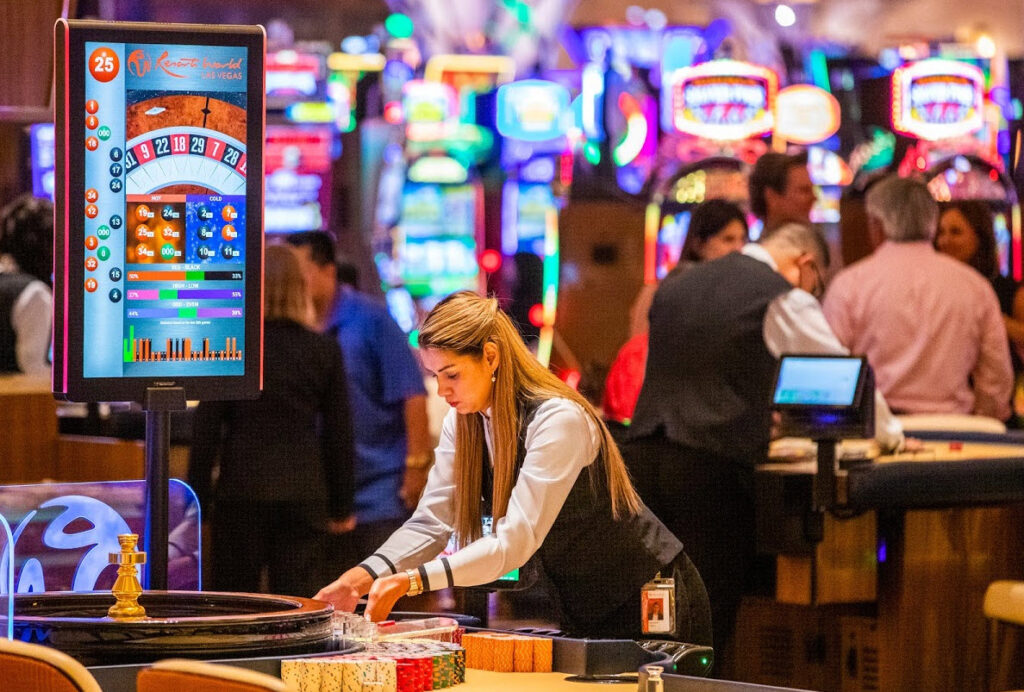
The latter half of the 20th century marked a turning point, particularly in the United States, with the legalization of gambling in states like Nevada. The emergence of Las Vegas as a gambling capital revolutionized the industry, combining entertainment, luxury, and gaming. This era witnessed the rise of complex betting systems and the introduction of new games, leading to a booming gambling culture that continues to expand globally.
The Digital Revolution and Online Gambling
The turn of the 21st century ushered in the digital revolution, fundamentally changing how people engage with gambling. Online casinos began to emerge, offering players the convenience of gambling from their homes. This shift not only increased accessibility but also expanded the variety of games available, allowing players to experience everything from virtual slots to live dealer games without stepping foot inside a physical casino.
Online gambling platforms introduced new payment methods and security measures, making transactions safer and more efficient. Additionally, the competitive nature of the online environment led to enticing promotions and bonuses, further attracting players. The rise of mobile gambling has also played a significant role, enabling users to place bets on-the-go through smartphones and tablets, making gambling a seamless part of daily life.
However, the rapid growth of online gambling has also raised concerns regarding regulation and responsible gaming. Various jurisdictions have begun to implement laws to protect consumers and ensure fair play. As the landscape continues to evolve, balancing innovation with responsible practices will be crucial for the sustainable growth of the gambling industry.
Insights into Slotor777 Casino
In this modern age of gambling, platforms like Slotor777 Casino exemplify the evolution of online gaming. With a diverse selection of games, including slots, table games, and live dealer options, it caters to a wide audience, from novices to seasoned players. The user-friendly interface and seamless payment integration enhance the overall experience, making it an attractive destination for online gamblers.
Slotor777 Casino places a strong emphasis on customer support and security, providing users with peace of mind while they enjoy their gaming experiences. The 24/7 customer service ensures that help is readily available, while robust security measures protect personal and financial information. This commitment to safety and satisfaction reflects the industry’s evolution towards creating a responsible and enjoyable gambling environment.
As gambling continues to advance, platforms like Slotor777 Casino remain at the forefront, embracing innovation while honoring the rich history of gaming. By combining traditional gaming elements with modern technology, they create an engaging atmosphere that resonates with players, ensuring that the journey of gambling will continue to evolve in exciting ways for years to come.
